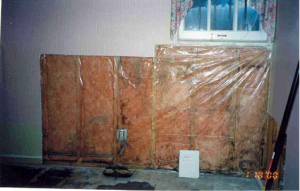
After the insulation is in place you will want to add a vapor retarder sometimes called a vapor barrier if you need one.
Vapor barrier under blown insulation.
Today s building codes require a minimum amount of insulation in walls and attics but older homes were often under insulated so for many owners of such homes the answer is blown in insulation.
Usually composed of a thin film such as polyethylene vapor barriers are used to retard or prevent water vapor diffusion into a wall ceiling or floor during the cold winter.
If you have to use insulation with a vapor barrier because your uncle harry gave it to you slice the vapor barrier in numerous places with your utility knife to allow.
If you live in a cold climate place the vapor barrier between the interior of your home and the insulation.
Not every wall does.
On the other hand an air barrier a properly detailed air tight drywall ceiling for example in the absence of a vapor barrier can be effective since it stops the flow of vapor laden air.
Research has shown that this is incorrect.
Cima does not recommend the use of vapor barriers with cellulose insulation except in circumstances of exceptionally high moisture levels such as an indoor pool facility or very cold climates.
Vapor barriers are sheets of plastic or other material placed on one side of insulation sheets.
A vapor barrier in an attic assembly in a severely cold climate with the absence of an air barrier will likely be ineffective.
If you do there is a chance that moisture that has slipped by the first vapor barrier will become trapped by the second vapor barrier decreasing the value of your insulation.
This barrier is meant to keep moisture from getting to the insulation in the walls and ceilings and it is required by building codes when insulating most houses.
The paper facing contains a layer of impermeable asphalt that prevents water vapor from passing through it.
In any case the vapor barrier must point to the warm side.
Vapor barriers applied over the face of the insulation provide additional benefits in the fight against moisture.
Attic vapor barrier detail for cold climates the best approach for a vented attic in a cold climate is installing a layer of drywall with a good coat of latex paint the paint creates a semi permeable vapor barrier.
Do not add a vapor barrier on top of the insulation in your attic since the paper facing on the existing insulation is the vapor barrier.
A vapor retarder is a material used to prevent water vapor from diffusing into the wall ceiling or floor during the cold winter.
Vapor barriers keep the air moisture in your house from condensing in the insulated cavities.